

How to adjust the parameters of a plastic recycling machine?
Nov 17, 2025
As a supplier of plastic recycling machines, I understand that adjusting the parameters of these machines is crucial for achieving optimal performance and high - quality recycled plastic products. In this blog, I'll share some in - depth knowledge on how to adjust the parameters of a plastic recycling machine.
Understanding the Basics of Plastic Recycling Machine Parameters
Before we start adjusting the parameters, we need to understand what these parameters are and how they affect the recycling process. The main parameters of a plastic recycling machine include temperature, speed, pressure, and filtration settings.
Temperature
Temperature is one of the most critical parameters in plastic recycling. Different types of plastics have different melting points. For example, polyethylene terephthalate (PET), commonly used in plastic bottles, has a melting point around 250 - 260°C, while polyethylene (PE), often used in plastic films, has a melting point in the range of 105 - 135°C.
If the temperature is too low, the plastic may not melt completely, resulting in uneven mixing and poor - quality recycled plastic. On the other hand, if the temperature is too high, the plastic may degrade, losing its mechanical properties and changing its chemical composition. To adjust the temperature, you should refer to the material data sheet of the plastic you are recycling and set the heating elements of the machine accordingly. Most modern plastic recycling machines are equipped with temperature sensors and controllers that allow for precise temperature adjustment.
Speed
The speed of the machine, which includes the screw speed in an extruder and the conveyor speed, also plays a vital role. A higher screw speed can increase the throughput of the machine, but it may also lead to insufficient melting and mixing of the plastic. A slower speed, on the contrary, can ensure better melting and mixing but may reduce the production efficiency.
When adjusting the speed, you need to consider the type of plastic, the size of the machine, and the desired output quality. For example, when recycling thick - walled plastic products, a slower screw speed may be required to ensure complete melting. You can gradually adjust the speed and monitor the quality of the recycled plastic to find the optimal speed setting.
Pressure
Pressure is mainly related to the extrusion process. Adequate pressure is necessary to force the molten plastic through the die and form the desired shape. Insufficient pressure may result in incomplete filling of the die, leading to products with poor surface finish and dimensional accuracy. Excessive pressure, however, can cause the die to wear out quickly and may even damage the machine.
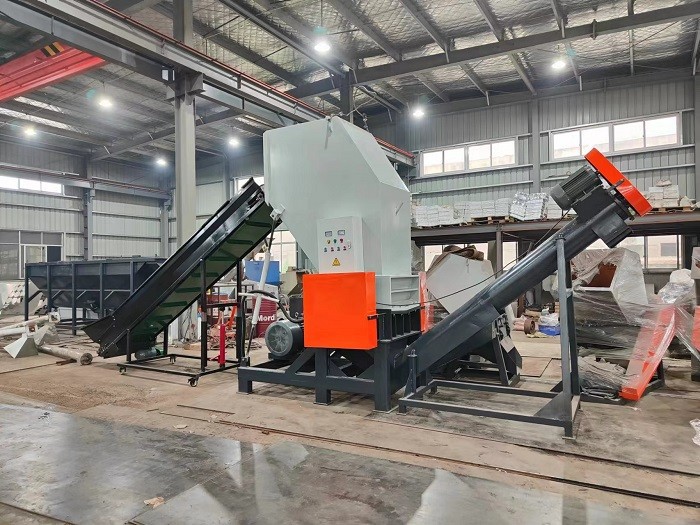
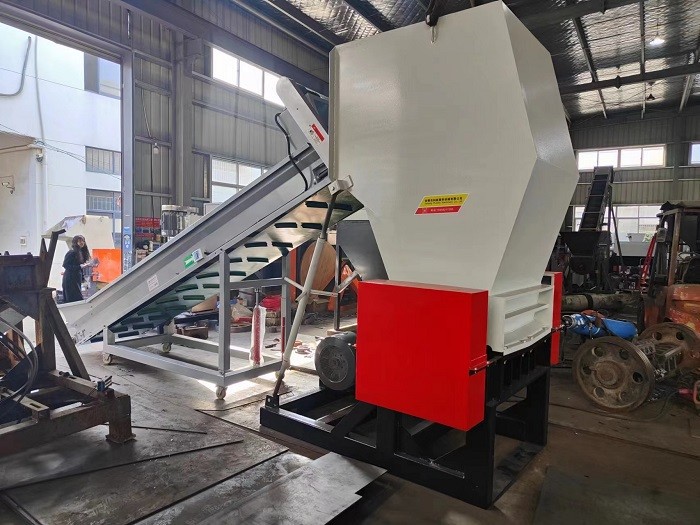
To adjust the pressure, you can modify the screw design, the die opening size, or the speed of the extruder. Some machines are also equipped with pressure sensors that can provide real - time pressure readings, allowing you to make timely adjustments.
Filtration Settings
Filtration is an important step in plastic recycling to remove impurities such as dirt, metal particles, and other contaminants from the molten plastic. The filtration settings include the type of filter, the pore size, and the filtration pressure.
A finer filter can remove smaller impurities but may also cause a higher pressure drop, reducing the throughput of the machine. You need to choose the appropriate filter based on the quality requirements of the recycled plastic. If you are recycling plastic for high - end applications, a finer filter may be necessary.
Step - by - Step Parameter Adjustment Process
Pre - operation Inspection
Before starting the machine, you should conduct a thorough pre - operation inspection. Check the power supply, the lubrication system, and the mechanical parts of the machine. Make sure all sensors and controllers are working properly. Also, clean the machine to remove any residual plastic from the previous operation.
Initial Parameter Setting
Based on the type of plastic you are recycling, set the initial temperature, speed, pressure, and filtration settings according to the machine's manual or your previous experience. For example, if you are recycling Plastic Bottles Recycling Line, you can set the temperature to around 250°C, the screw speed to a moderate level, and choose a filter with a medium - sized pore.
Test Run
Start the machine with the initial parameter settings and run a small batch of plastic through the recycling process. Monitor the machine's performance during the test run. Check the temperature, pressure, and speed readings to ensure they are within the normal range. Observe the quality of the recycled plastic, including its color, texture, and mechanical properties.
Parameter Adjustment Based on Test Results
If the quality of the recycled plastic is not satisfactory, you need to adjust the parameters accordingly. For example, if the plastic is not melted completely, you can increase the temperature or reduce the screw speed. If there are impurities in the recycled plastic, you may need to change the filter or increase the filtration pressure.
Make small adjustments at a time and run another test batch after each adjustment. Continuously monitor the quality of the recycled plastic until you achieve the desired results.
Continuous Monitoring and Optimization
Once you have found the optimal parameter settings, you still need to continuously monitor the machine's performance during normal operation. The properties of the input plastic may vary slightly, and external factors such as ambient temperature and humidity can also affect the recycling process.
Regularly check the temperature, pressure, and speed readings, and make minor adjustments as needed. Also, conduct regular quality inspections of the recycled plastic to ensure its consistency.
Special Considerations for Different Types of Plastic Recycling
Recycling Plastic Films
When recycling plastic films, such as those used in packaging, the main challenge is to handle the large volume and low density of the material. The Plastic Film Recycling Line often requires a special feeding system to ensure a continuous and uniform supply of plastic films.
The temperature for recycling plastic films is generally lower than that for plastic bottles. You also need to pay attention to the speed of the conveyor to prevent the films from tangling. A slower conveyor speed may be necessary to ensure smooth feeding.
Recycling Plastic Bottles
Recycling plastic bottles involves a more complex process, including sorting, crushing, and washing. The plastic chips obtained from the crushing process need to be dried thoroughly before being fed into the recycling machine.
When adjusting the parameters for plastic bottle recycling, you need to ensure that the temperature is high enough to melt the PET plastic completely. The screw design may also need to be optimized to handle the relatively large - sized plastic chips.
Conclusion
Adjusting the parameters of a plastic recycling machine is a technical and iterative process. By understanding the basic parameters, following the step - by - step adjustment process, and considering the special requirements of different types of plastic recycling, you can achieve optimal machine performance and high - quality recycled plastic products.
If you are interested in our plastic recycling machines or need more detailed information on parameter adjustment, please feel free to contact us for further procurement discussions. We are committed to providing you with the best solutions for your plastic recycling needs.
References
- "Plastic Recycling Technology" by John Doe
- "Handbook of Plastic Extrusion Technology" by Jane Smith
- Manufacturer's manuals of various plastic recycling machines