

How to adjust the particle size of pellets in a PP pelletizing machine?
Oct 03, 2025
The particle size of pellets in a PP (Polypropylene) pelletizing machine is a crucial factor that significantly impacts the quality and usability of the final product. As a leading supplier of PP Pelletizing Machine, we understand the importance of precise control over pellet size. In this blog, we will explore various methods and considerations for adjusting the particle size of pellets in a PP pelletizing machine.
Understanding the Basics of PP Pelletizing
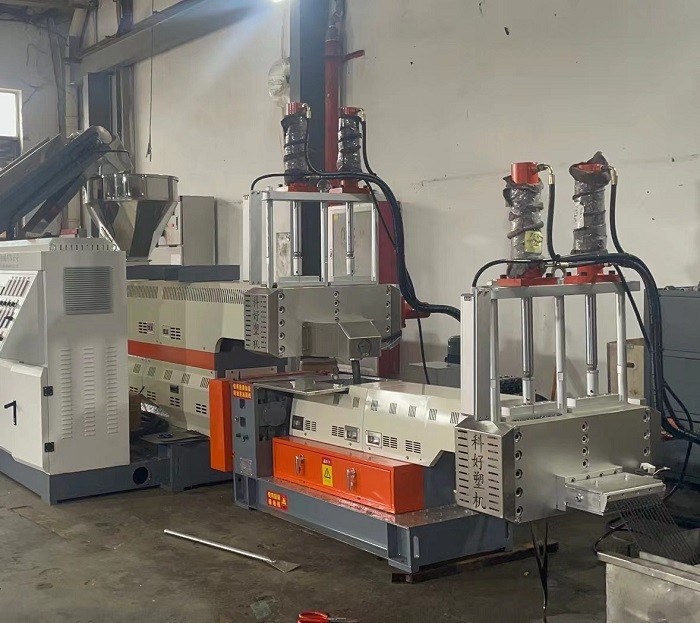
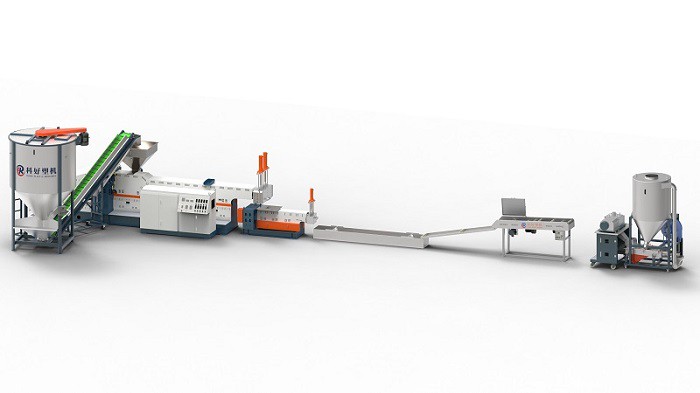
Before delving into the adjustment methods, it's essential to understand the basic process of PP pelletizing. The PP pelletizing machine typically consists of several key components, including an extruder, a die head, a cutting system, and a cooling system. The extruder melts the PP resin and pushes it through the die head, where it forms strands. These strands are then cut into pellets by the cutting system, and the pellets are cooled to solidify them.
Factors Affecting Pellet Size
Several factors can influence the particle size of pellets in a PP pelletizing machine. Understanding these factors is the first step in adjusting the pellet size effectively.
Extrusion Speed
The extrusion speed of the PP resin through the die head plays a significant role in determining the pellet size. A higher extrusion speed generally results in larger pellets, as more resin is being pushed through the die in a given time. Conversely, a lower extrusion speed leads to smaller pellets. Adjusting the extrusion speed can be achieved by modifying the screw speed of the extruder. However, it's important to note that changing the extrusion speed can also affect other aspects of the pelletizing process, such as the melt temperature and the pressure in the extruder.
Die Hole Size
The size of the holes in the die head directly determines the diameter of the strands that are extruded. Larger die holes will produce thicker strands, which will result in larger pellets after cutting. Smaller die holes, on the other hand, will produce thinner strands and smaller pellets. When selecting a die head, it's crucial to choose one with the appropriate hole size for the desired pellet size. Additionally, the die head should be regularly inspected and maintained to ensure that the holes are not clogged or worn, as this can affect the consistency of the pellet size.
Cutting System
The cutting system in a PP pelletizing machine is responsible for cutting the extruded strands into pellets. The cutting speed and the blade sharpness are two key factors that can affect the pellet size. A higher cutting speed will result in shorter pellets, while a lower cutting speed will produce longer pellets. The sharpness of the blades also plays a crucial role in ensuring clean and consistent cuts. Dull blades can cause uneven cuts, resulting in pellets of inconsistent size and shape. Regular blade replacement and maintenance are essential to ensure optimal cutting performance.
Cooling Rate
The cooling rate of the extruded strands can also impact the pellet size. If the strands are cooled too quickly, they may shrink and become smaller in diameter. On the other hand, if the cooling rate is too slow, the strands may continue to deform and stretch, resulting in larger or irregularly shaped pellets. Controlling the cooling rate can be achieved by adjusting the temperature and flow rate of the cooling water or air used in the cooling system.
Methods for Adjusting Pellet Size
Based on the factors mentioned above, there are several methods that can be used to adjust the particle size of pellets in a PP pelletizing machine.
Adjusting Extrusion Parameters
As mentioned earlier, the extrusion speed can be adjusted by changing the screw speed of the extruder. However, it's important to make incremental changes and monitor the results carefully. A small increase or decrease in the screw speed can have a significant impact on the pellet size. Additionally, the temperature of the extruder should be maintained within the appropriate range to ensure proper melting and flow of the PP resin.
Changing the Die Head
If a significant change in pellet size is required, changing the die head may be necessary. When selecting a new die head, consider the desired pellet size, the production capacity, and the compatibility with the existing pelletizing machine. It's also a good idea to consult with the manufacturer or a technical expert to ensure that the new die head is suitable for your specific application.
Optimizing the Cutting System
To adjust the pellet size using the cutting system, you can change the cutting speed or replace the blades. Increasing the cutting speed will result in shorter pellets, while decreasing the cutting speed will produce longer pellets. If the blades are dull or worn, replacing them with new ones can improve the cutting performance and ensure consistent pellet size.
Controlling the Cooling Process
Adjusting the cooling rate can also help in achieving the desired pellet size. This can be done by modifying the temperature and flow rate of the cooling water or air. A higher cooling rate can be achieved by increasing the flow rate of the cooling medium or lowering its temperature. However, it's important to find the right balance, as excessive cooling can cause the pellets to become brittle and prone to cracking.
Troubleshooting Common Issues
Even with proper adjustment methods, issues may still arise during the pelletizing process. Here are some common problems and their solutions:
Inconsistent Pellet Size
If the pellets have inconsistent sizes, it could be due to several factors. Clogged or worn die holes can cause uneven extrusion, resulting in inconsistent pellet size. Inspect the die head and clean or replace it if necessary. Dull blades in the cutting system can also lead to uneven cuts. Replace the blades regularly to ensure clean and consistent cuts. Additionally, fluctuations in the extrusion speed or the cooling rate can cause variations in pellet size. Monitor these parameters closely and make adjustments as needed.
Overly Large or Small Pellets
If the pellets are too large or too small, start by checking the extrusion speed and the die hole size. Adjust the extrusion speed as described earlier, and consider changing the die head if necessary. Also, ensure that the cutting system is operating correctly and that the blades are sharp.
Conclusion
Adjusting the particle size of pellets in a PP pelletizing machine requires a thorough understanding of the factors that affect pellet size and the appropriate adjustment methods. As a PP Pelletizing Machine supplier, we are committed to providing our customers with the knowledge and support they need to achieve the desired pellet size and quality. If you have any questions or need further assistance in adjusting the pellet size in your PP pelletizing machine, please don't hesitate to contact us. We also offer a range of related products such as ABS Granulator Machine and PE Granulation Line to meet your diverse plastic processing needs.
References
- "Plastics Extrusion Technology" by Allan A. Griff.
- "Handbook of Plastic Materials and Technology" edited by Irvin I. Rubin.