

How to clean a PE Granulation Line after use?
Jul 02, 2025
Cleaning a PE (Polyethylene) granulation line after use is a crucial maintenance task that ensures the longevity, efficiency, and quality of the equipment. As a PE granulation line supplier, I understand the importance of proper cleaning procedures and their impact on the overall performance of the machine. In this blog post, I will share a comprehensive guide on how to clean a PE granulation line effectively.
Step 1: Preparation
Before starting the cleaning process, it is essential to take some preparatory steps to ensure safety and efficiency.

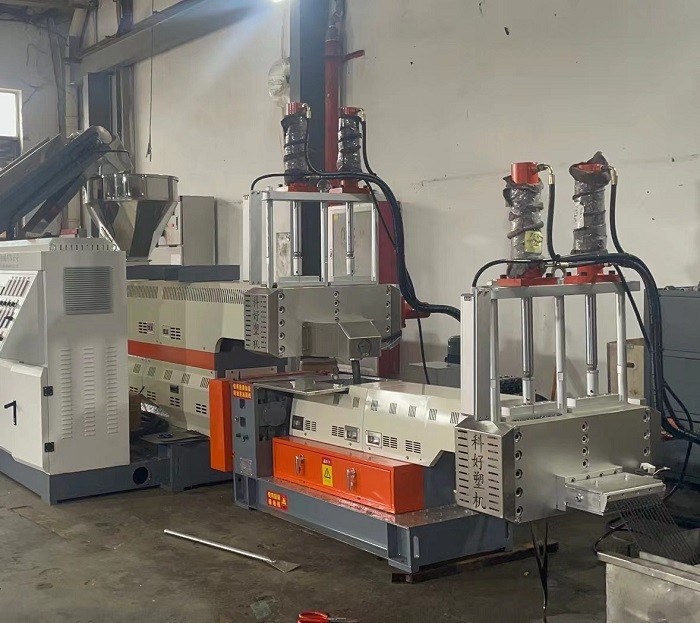
- Power Off and Isolate the Equipment: Turn off the power supply to the granulation line and isolate it from the electrical system to prevent any accidental startup during the cleaning process.
- Wear Protective Gear: Put on appropriate protective gear, such as gloves, safety glasses, and a dust mask, to protect yourself from potential hazards, including dust, chemicals, and sharp edges.
- Gather Cleaning Tools and Supplies: Collect all the necessary cleaning tools and supplies, such as brushes, scrapers, cleaning agents, and solvents. Make sure to use cleaning agents that are compatible with the materials used in the granulation line.
Step 2: Remove Residual Plastic
The first step in cleaning a PE granulation line is to remove any residual plastic from the equipment. This can be done using a combination of mechanical and chemical methods.
- Mechanical Removal: Use a brush or scraper to remove any large chunks of plastic from the surfaces of the granulation line, including the hopper, extruder, die, and cutting chamber. Be careful not to damage the equipment while removing the plastic.
- Chemical Cleaning: If there are stubborn plastic residues that cannot be removed mechanically, you can use a cleaning agent or solvent to dissolve the plastic. Make sure to follow the manufacturer's instructions when using cleaning agents and solvents, and take appropriate safety precautions.
Step 3: Clean the Extruder
The extruder is the heart of the PE granulation line, and it is essential to clean it thoroughly to ensure optimal performance.
- Remove the Screw and Barrel: Disassemble the extruder and remove the screw and barrel. This will allow you to clean the internal surfaces of the extruder more effectively.
- Clean the Screw and Barrel: Use a brush or scraper to remove any plastic residues from the screw and barrel. You can also use a cleaning agent or solvent to dissolve any stubborn plastic residues. Make sure to rinse the screw and barrel thoroughly with water after cleaning to remove any remaining cleaning agent or solvent.
- Inspect the Screw and Barrel: While the screw and barrel are disassembled, inspect them for any signs of wear or damage. If you notice any issues, such as cracks or excessive wear, it is recommended to replace the screw and barrel to avoid potential problems in the future.
Step 4: Clean the Die
The die is responsible for shaping the plastic into pellets, and it is important to clean it regularly to ensure consistent pellet quality.
- Remove the Die: Disassemble the die and remove it from the granulation line. This will allow you to clean the die more effectively.
- Clean the Die: Use a brush or scraper to remove any plastic residues from the die. You can also use a cleaning agent or solvent to dissolve any stubborn plastic residues. Make sure to rinse the die thoroughly with water after cleaning to remove any remaining cleaning agent or solvent.
- Inspect the Die: While the die is disassembled, inspect it for any signs of wear or damage. If you notice any issues, such as clogged holes or worn surfaces, it is recommended to replace the die to ensure consistent pellet quality.
Step 5: Clean the Cutting Chamber
The cutting chamber is where the plastic strands are cut into pellets, and it is important to clean it regularly to ensure optimal cutting performance.
- Remove the Cutting Blades: Disassemble the cutting chamber and remove the cutting blades. This will allow you to clean the cutting chamber more effectively.
- Clean the Cutting Chamber: Use a brush or scraper to remove any plastic residues from the cutting chamber. You can also use a cleaning agent or solvent to dissolve any stubborn plastic residues. Make sure to rinse the cutting chamber thoroughly with water after cleaning to remove any remaining cleaning agent or solvent.
- Inspect the Cutting Blades: While the cutting blades are disassembled, inspect them for any signs of wear or damage. If you notice any issues, such as dull blades or chipped edges, it is recommended to replace the cutting blades to ensure optimal cutting performance.
Step 6: Clean the Cooling System
The cooling system is responsible for cooling the plastic strands before they are cut into pellets, and it is important to clean it regularly to ensure efficient cooling.
- Flush the Cooling System: Use a flushing agent or water to flush the cooling system and remove any debris or sediment that may have accumulated in the pipes and heat exchangers.
- Inspect the Cooling System: While the cooling system is being flushed, inspect it for any signs of leaks or damage. If you notice any issues, such as leaks or clogged pipes, it is recommended to repair or replace the affected components to ensure efficient cooling.
Step 7: Reassemble and Test the Equipment
Once you have completed the cleaning process, it is time to reassemble the granulation line and test it to ensure that it is working properly.
- Reassemble the Equipment: Carefully reassemble the granulation line, making sure to follow the manufacturer's instructions and tighten all the bolts and nuts securely.
- Test the Equipment: Before starting the granulation line, make sure to check all the electrical connections and safety devices to ensure that they are working properly. Then, start the granulation line and run it for a few minutes to test its performance.
Step 8: Regular Maintenance
Cleaning a PE granulation line after use is just one part of the maintenance process. To ensure the longevity and efficiency of the equipment, it is important to perform regular maintenance tasks, such as lubrication, inspection, and calibration.
- Lubrication: Make sure to lubricate all the moving parts of the granulation line regularly to reduce friction and wear. Use lubricants that are compatible with the materials used in the equipment.
- Inspection: Regularly inspect the granulation line for any signs of wear or damage, and replace any worn or damaged components as soon as possible.
- Calibration: Periodically calibrate the granulation line to ensure that it is producing pellets of the desired size and quality.
In addition to the above steps, it is also important to keep the work area clean and organized to prevent the accumulation of dust and debris. This will help to maintain a safe and healthy working environment and prevent potential problems with the granulation line.
If you are in the market for a high-quality PE granulation line, or if you need assistance with cleaning or maintaining your existing equipment, please feel free to [contact us]([Contact Page URL]). Our team of experts is always ready to help you find the best solution for your needs. We also offer a wide range of related products, such as the PA Granulator, PP Pelletizing Machine, and ABS Granulator Machine.
References
- "Plastic Granulation Technology" by John Doe
- "Maintenance Guide for Plastic Processing Equipment" by Jane Smith