

How to improve the pelletizing effect of a PE Granulation Line?
Aug 13, 2025
Yo! I'm a supplier of PE Granulation Lines, and I've been getting a bunch of questions lately about how to improve the pelletizing effect of these lines. So, I thought I'd share some tips and tricks based on my experience in the field.
First off, let's talk about the basics. A PE Granulation Line is used to turn polyethylene (PE) plastic materials into small pellets. These pellets are then used in a variety of applications, from making plastic bags to manufacturing automotive parts. The quality of the pellets can have a big impact on the final product, so it's important to get the pelletizing process right.
1. Raw Material Quality
The quality of the raw materials you use is crucial. If you're using low - quality PE, it's going to be a lot harder to get good - looking and consistent pellets. Make sure the PE you're using is clean and free from contaminants. Any dirt, dust, or other impurities can cause problems during the pelletizing process. For example, they might clog the extruder or cause uneven melting, which leads to inconsistent pellet size and shape.
Also, pay attention to the moisture content of the raw material. High moisture levels can cause bubbles in the pellets, which is a big no - no. You can use a dryer to reduce the moisture content before feeding the material into the granulation line.
2. Extruder Settings
The extruder is the heart of the PE Granulation Line. Getting the right settings on the extruder is key to a good pelletizing effect.
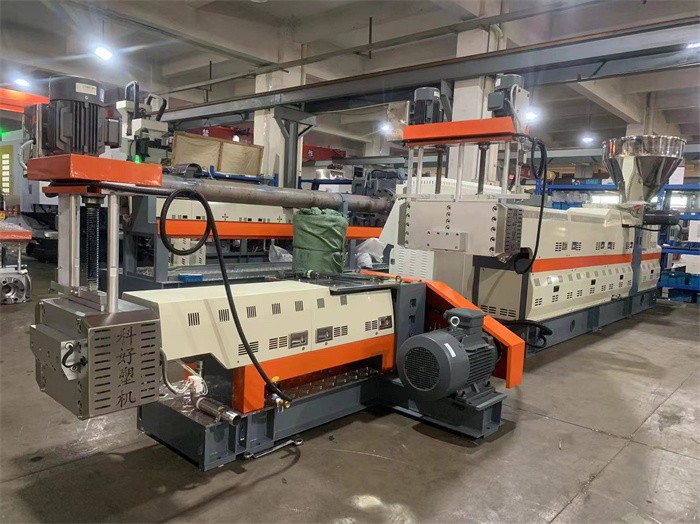

- Temperature: The temperature settings in the extruder are super important. Different types of PE have different melting points, so you need to set the temperature accordingly. If the temperature is too low, the PE won't melt properly, and you'll end up with incomplete pellets. On the other hand, if the temperature is too high, the PE might degrade, which can affect the quality of the pellets. You should do some testing to find the optimal temperature range for the specific type of PE you're using.
- Screw Speed: The screw speed in the extruder determines how fast the material is pushed through. A too - slow screw speed can lead to over - melting of the material, while a too - fast speed might not give the material enough time to melt evenly. You need to find a balance that works for your production requirements.
3. Die Design
The die is the part of the granulation line that shapes the molten PE into strands, which are then cut into pellets. The design of the die can have a huge impact on the pelletizing effect.
- Hole Size and Shape: The size and shape of the holes in the die determine the size and shape of the pellets. You need to choose a die with the right hole size for the desired pellet size. Also, the shape of the holes can affect how the strands are formed. For example, round holes usually produce round pellets, but you might need other shapes depending on your application.
- Die Material: The material of the die is also important. A high - quality die material can withstand the high temperatures and pressures in the granulation process without wearing out quickly. This ensures consistent pellet quality over time.
4. Cutting System
The cutting system is responsible for turning the strands of molten PE into individual pellets. There are different types of cutting systems, such as underwater pelletizers and strand pelletizers.
- Cutting Speed: The cutting speed needs to be synchronized with the speed at which the strands are coming out of the die. If the cutting speed is too slow, the pellets will be too long, and if it's too fast, you might end up with unevenly cut pellets.
- Blade Quality: The quality of the cutting blades is crucial. Dull blades can cause rough - edged pellets or even damage the strands. Make sure to replace the blades regularly to maintain a good cutting effect.
5. Cooling System
After the pellets are cut, they need to be cooled down quickly to solidify. A proper cooling system is essential for this.
- Cooling Method: There are different cooling methods, such as water cooling and air cooling. Water cooling is usually faster and more effective, but it can also introduce moisture to the pellets if not done properly. Air cooling is slower but can be a good option for some applications.
- Cooling Time: The cooling time needs to be long enough to ensure that the pellets are fully solidified. If the pellets are not cooled enough, they might stick together, which is a major problem in the packaging and handling process.
6. Maintenance and Cleaning
Regular maintenance and cleaning of the PE Granulation Line are essential for a good pelletizing effect.
- Extruder Maintenance: The extruder should be cleaned regularly to remove any residual material that might have built up inside. This helps to prevent blockages and ensures consistent melting of the new material.
- Die and Cutting System Maintenance: The die and cutting system also need to be cleaned and maintained. Check the die holes for any blockages and make sure the cutting blades are sharp.
7. Quality Control
Implementing a quality control system is a must. You should regularly check the size, shape, and quality of the pellets. Use tools like sieves to check the size distribution of the pellets and visual inspection to look for any defects.
Now, if you're in the market for a new PE Granulation Line or need some advice on improving your current setup, we've got you covered. We also offer other great machines like the ABS Granulator Machine and the PA Granulator. You can check out our PE Granulation Line for more details.
If you're interested in learning more or want to discuss your specific requirements, feel free to reach out. We're here to help you get the best pelletizing effect possible.
References
- "Plastics Extrusion Technology Handbook" by Allan A. Griff.
- "Handbook of Plastic Materials and Technology" by Irvin I. Rubin.