

What is the influence of plastic elasticity on a plastic shredder machine?
Aug 20, 2025
Yo, what's up everyone! As a supplier of plastic shredder machines, I've been in this game for quite a while, and I've seen firsthand how different factors can affect the performance of these machines. One of the most interesting aspects I've come across is the influence of plastic elasticity on a plastic shredder machine. So, let's dive right into it and explore this topic in more detail.

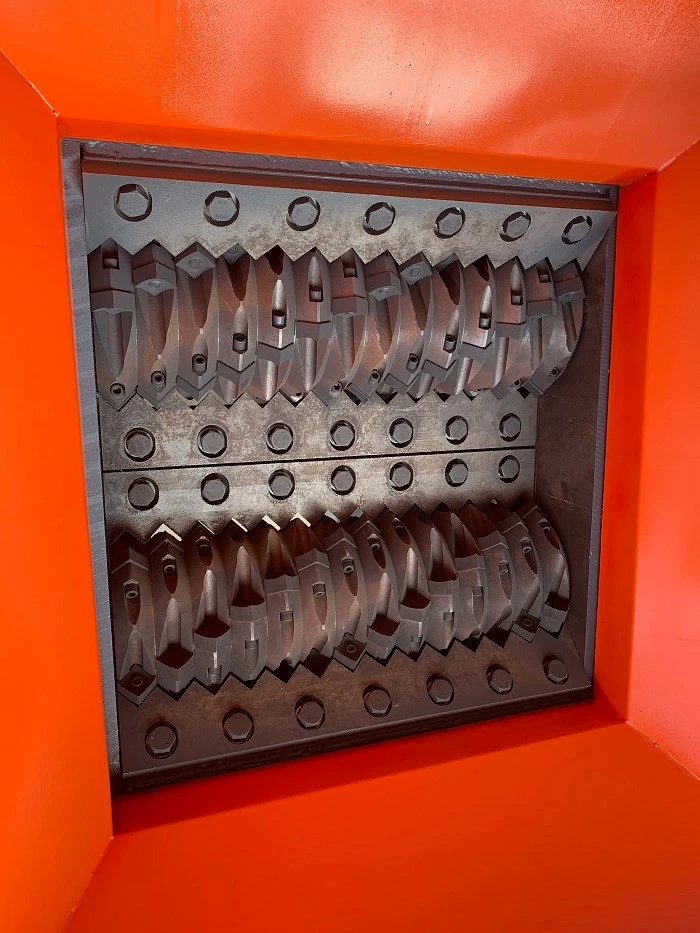
First off, let's talk about what plastic elasticity actually is. Elasticity refers to a material's ability to deform under stress and then return to its original shape once the stress is removed. In the case of plastics, different types of plastics have varying degrees of elasticity. Some plastics are highly elastic, like rubbery plastics, while others are more rigid and less elastic, such as certain types of engineering plastics.
Now, you might be wondering how this elasticity affects a plastic shredder machine. Well, it turns out that plastic elasticity can have a significant impact on several key aspects of the shredding process.
Cutting Efficiency
One of the most obvious effects of plastic elasticity is on the cutting efficiency of the shredder. When you're trying to shred a highly elastic plastic, it can be a real challenge. The elastic nature of the plastic causes it to stretch and deform rather than being cleanly cut. This means that the blades of the shredder have to work harder to break through the plastic, which can lead to increased wear and tear on the blades.
For example, if you're using a Twin Shaft Shredder to shred a rubbery plastic, the plastic might wrap around the blades instead of being cut into small pieces. This not only reduces the efficiency of the shredding process but can also cause the machine to jam. On the other hand, less elastic plastics are easier to cut, and the shredder can operate more smoothly and efficiently.
Particle Size and Quality
Another important factor affected by plastic elasticity is the particle size and quality of the shredded plastic. When shredding elastic plastics, it's often more difficult to achieve a consistent particle size. The stretching and deformation of the plastic during the shredding process can result in unevenly sized particles. Some pieces might be larger and more irregularly shaped, while others might be smaller.
This can be a problem if you're looking to recycle the shredded plastic, as a consistent particle size is often required for the recycling process. For instance, if you're using a Single Shaft Plastic Shredder to shred elastic plastics, you might end up with a mix of large and small particles that need to be further processed to achieve the desired size.
Energy Consumption
Plastic elasticity also has an impact on the energy consumption of the shredder machine. As mentioned earlier, shredding elastic plastics requires more force from the blades, which means that the motor of the shredder has to work harder. This results in increased energy consumption, which can be a significant cost factor in the long run.
In a commercial setting, where large volumes of plastic are being shredded on a daily basis, the extra energy consumption can add up quickly. So, if you're dealing with highly elastic plastics, it's important to consider the energy efficiency of the shredder you're using.
Machine Durability
The durability of the plastic shredder machine is also affected by plastic elasticity. The increased wear and tear on the blades and other components of the machine due to the difficulty of shredding elastic plastics can shorten the lifespan of the machine. Blades might need to be replaced more frequently, and other parts might also experience more damage.
This means that you need to choose a shredder that is built to handle the specific types of plastics you'll be working with. A high-quality shredder with robust blades and a powerful motor can better withstand the challenges posed by elastic plastics.
Strategies for Dealing with Elastic Plastics
So, what can you do if you're faced with the challenge of shredding elastic plastics? Here are a few strategies that can help:
- Pre - Treatment: One option is to pre - treat the elastic plastics to reduce their elasticity. This can be done through processes like heating or chemical treatment. Heating the plastic can make it more pliable and less elastic, making it easier to shred. However, this method requires careful control to avoid melting the plastic.
- Blade Selection: Choosing the right blades for the job is crucial. There are different types of blades available, each designed for specific types of plastics. For elastic plastics, blades with a sharper edge and a more aggressive cutting profile can be more effective.
- Machine Configuration: Adjusting the configuration of the shredder can also help. For example, increasing the speed of the blades or adjusting the gap between the blades can improve the cutting efficiency when dealing with elastic plastics.
Conclusion
In conclusion, plastic elasticity has a significant influence on the performance of a plastic shredder machine. It affects cutting efficiency, particle size and quality, energy consumption, and machine durability. As a supplier of plastic shredder machines, I understand the importance of choosing the right machine for the specific types of plastics you'll be shredding.
If you're in the market for a plastic shredder machine and need to deal with elastic plastics, don't hesitate to reach out to me. I can help you select the most suitable machine based on your needs and provide you with all the information you need to make an informed decision. Whether it's a Twin Shaft Shredder or a Single Shaft Plastic Shredder, I've got you covered. Let's work together to find the best solution for your plastic shredding needs!
References
- "Plastic Recycling Technology" by John Doe
- "Advanced Shredding Techniques for Plastics" by Jane Smith