

How to control the pressure during the granulation process in an ABS Granulator Machine?
Jul 15, 2025
How to Control the Pressure During the Granulation Process in an ABS Granulator Machine
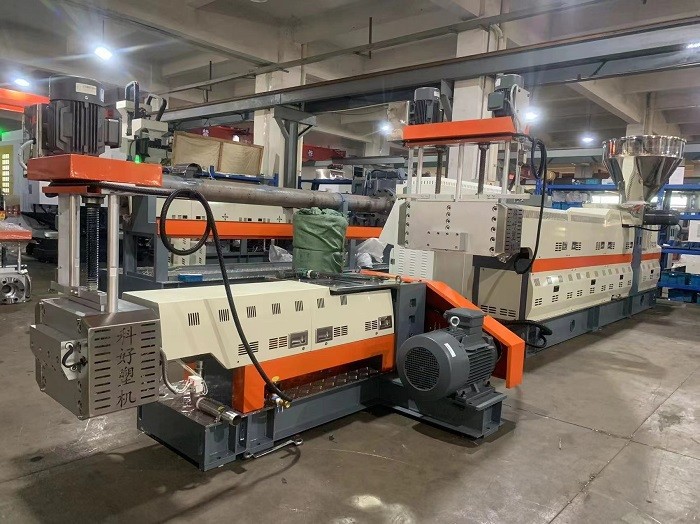
As a supplier of ABS Granulator Machines, I understand the critical role that pressure control plays in the granulation process. Achieving the right pressure is essential for producing high - quality ABS granules with consistent size, shape, and properties. In this blog post, I will share some key strategies and considerations for effectively controlling pressure during the granulation process in an ABS Granulator Machine.
Understanding the Importance of Pressure in ABS Granulation
Pressure is a fundamental parameter in the granulation of ABS (Acrylonitrile Butadiene Styrene). It affects the flow of the molten ABS material through the die, which in turn determines the final shape and size of the granules. Insufficient pressure can lead to irregularly shaped granules, while excessive pressure may cause die wear, material degradation, and even machine damage. Moreover, proper pressure control ensures uniform mixing of additives and fillers, which is crucial for achieving the desired mechanical and physical properties of the ABS granules.
Factors Affecting Pressure in the Granulation Process
Several factors can influence the pressure within an ABS Granulator Machine during the granulation process.
- Material Properties: The viscosity and melt flow index of the ABS resin are significant factors. Higher - viscosity materials require more pressure to flow through the die. Additionally, the presence of additives, such as lubricants or flame retardants, can alter the material's flow behavior and thus affect the pressure.
- Screw Design and Speed: The design of the screw in the granulator, including its pitch, diameter, and length, affects the conveying and melting efficiency of the ABS material. A higher screw speed generally increases the pressure, but it also needs to be balanced to avoid over - heating and material degradation.
- Die Geometry: The size, shape, and number of holes in the die have a direct impact on the pressure. Smaller die holes require higher pressure to force the molten material through, while a larger number of holes can distribute the pressure more evenly.
- Temperature: Temperature affects the viscosity of the ABS material. Higher temperatures reduce viscosity, which in turn lowers the pressure required for the material to flow. However, excessive temperatures can cause thermal degradation of the ABS resin.
Strategies for Controlling Pressure
To ensure optimal pressure control during the granulation process, the following strategies can be employed.

- Optimize Material Selection and Preparation:
- Choose ABS resins with appropriate viscosity and melt flow index for the specific granulation application.
- Properly dry the ABS resin before granulation to remove moisture, as moisture can affect the material's flow properties and increase pressure fluctuations.
- Ensure uniform mixing of additives and fillers to prevent uneven flow and pressure variations.
- Adjust Screw Parameters:
- Select the appropriate screw design based on the material properties and granulation requirements. For example, a screw with a higher compression ratio may be suitable for materials with higher viscosity.
- Fine - tune the screw speed to maintain a stable pressure. Monitor the pressure continuously and adjust the speed as needed. However, avoid sudden changes in screw speed, as this can cause pressure spikes.
- Manage Die Configuration:
- Select a die with the appropriate hole size and number for the desired granule size and production rate. If necessary, modify the die geometry to optimize pressure distribution.
- Regularly clean and maintain the die to prevent blockages, which can cause a significant increase in pressure.
- Control Temperature:
- Set and maintain the temperature within the granulator at the optimal range for the ABS material. Use temperature sensors and controllers to ensure precise temperature control. A stable temperature helps to keep the material's viscosity consistent, thereby facilitating better pressure control.
Monitoring and Feedback
Continuous monitoring of the pressure within the ABS Granulator Machine is essential for effective pressure control. Pressure sensors can be installed at key locations, such as the barrel and the die, to provide real - time pressure data. This data can be used to make timely adjustments to the machine parameters, such as screw speed and temperature.
Implementing a feedback control system can further enhance pressure control. The feedback system can automatically adjust the machine settings based on the measured pressure, ensuring that the pressure remains within the desired range throughout the granulation process.
Benefits of Proper Pressure Control
Proper pressure control in an ABS Granulator Machine offers several benefits.
- Improved Product Quality: Consistent pressure results in granules with uniform size, shape, and properties. This improves the quality and performance of the final ABS products.
- Increased Machine Efficiency: By maintaining optimal pressure, the granulator can operate more efficiently, reducing energy consumption and minimizing wear and tear on the machine components.
- Reduced Downtime: Effective pressure control helps to prevent issues such as die blockages and machine breakdowns, which can lead to costly downtime.
Related Products
If you are also interested in other types of granulation machines, we offer a range of products, including the PVC Cable Pelletizing Machine and the PE Granulation Line. These machines are designed with advanced technology to ensure efficient and high - quality granulation.
We are committed to providing our customers with the best - in - class ABS Granulator Machine and comprehensive technical support. If you have any questions about pressure control in the granulation process or are interested in our products, please feel free to contact us for further discussion and procurement negotiation. We look forward to working with you to meet your granulation needs.
References
- "Plastics Processing Technology" by John A. Brydson.
- "Extrusion: The Definitive Processing Guide and Handbook" by Christopher Rauwendaal.
- Technical literature from major ABS resin manufacturers.