

How to maintain a PE Granulation Line properly?
Jun 30, 2025
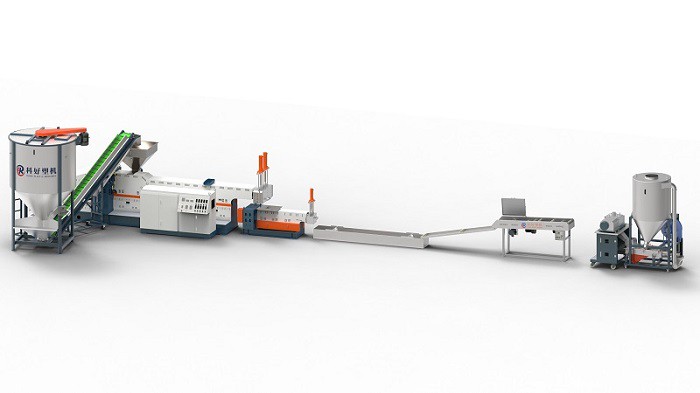
Proper maintenance of a PE granulation line is crucial for ensuring its long - term performance, efficiency, and product quality. As a trusted supplier of PE granulation lines, I am well - versed in the best practices for maintaining these complex pieces of equipment. In this blog, I will share some in - depth tips on how to maintain a PE granulation line properly.
Regular Cleaning
One of the most fundamental aspects of maintaining a PE granulation line is regular cleaning. Over time, plastic residues, dust, and other contaminants can accumulate on various components of the machine, such as the extruder, die head, and conveyor belts. This build - up can not only affect the quality of the granules but also lead to mechanical problems.
For the extruder, it is essential to clean the screw and barrel after each production run. Residual plastic can harden and cause blockages or uneven melting in subsequent operations. Use appropriate cleaning agents and tools to remove the plastic residues gently. Make sure to follow the manufacturer's instructions to avoid damaging the surface of the screw and barrel.
The die head is another critical component that requires regular cleaning. A clogged die head can result in irregularly shaped granules or even cause the machine to shut down. Use a soft brush or a specialized die - cleaning tool to remove any plastic deposits from the die holes. Additionally, clean the cooling system associated with the die head to ensure efficient heat transfer.
The conveyor belts should also be cleaned regularly to prevent the accumulation of dust and plastic particles. A dirty conveyor belt can cause slippage, which may lead to inconsistent granule transportation and affect the overall production process.
Lubrication
Proper lubrication is vital for the smooth operation of the moving parts in a PE granulation line. Components such as bearings, gears, and chains require regular lubrication to reduce friction and wear.
When selecting a lubricant, it is important to choose one that is compatible with the materials and operating conditions of the machine. Consult the machine's manual or the lubricant manufacturer for specific recommendations. Over - lubrication can be just as harmful as under - lubrication, as it can attract dust and dirt, leading to premature component failure.
Establish a lubrication schedule based on the manufacturer's guidelines. For example, some bearings may need to be lubricated every few hundred hours of operation, while others may require more frequent lubrication. Keep a record of the lubrication process, including the type of lubricant used, the amount applied, and the date of lubrication.
Inspection of Electrical Systems
The electrical systems in a PE granulation line are responsible for controlling various functions of the machine, such as the motor speed, temperature regulation, and conveyor belt operation. Regular inspection of these systems is essential to prevent electrical failures, which can be dangerous and costly to repair.
Check the electrical connections regularly for signs of loose wires, corrosion, or overheating. Tighten any loose connections and replace any damaged wires or connectors immediately. Inspect the control panels for any error messages or abnormal readings. If you notice any issues, consult a qualified electrician or the machine's technical support team.
The electrical insulation of the machine should also be tested periodically. Poor insulation can lead to electrical shocks or short - circuits. Use a megohmmeter to measure the insulation resistance and ensure that it meets the manufacturer's specifications.
Calibration of Sensors and Instruments
Sensors and instruments play a crucial role in monitoring and controlling the operation of a PE granulation line. For example, temperature sensors ensure that the plastic is melted at the correct temperature, while pressure sensors monitor the extrusion pressure.
Regular calibration of these sensors and instruments is necessary to ensure accurate readings. Over time, sensors can drift out of calibration, leading to inaccurate control of the process parameters. Follow the manufacturer's instructions for calibration procedures. Some sensors may require calibration using specialized calibration equipment, while others can be calibrated using simple adjustment tools.
Keep a calibration log to track the calibration history of each sensor and instrument. This log can be useful for maintenance planning and troubleshooting.
Replacement of Wear Parts
Certain parts in a PE granulation line are subject to wear and tear during normal operation. These wear parts, such as the screw, barrel, and cutting blades, need to be replaced at appropriate intervals to maintain the performance of the machine.
The screw and barrel are the heart of the extruder. Over time, the screw can wear down due to the friction with the plastic and the barrel. A worn - out screw can result in poor plastic melting, uneven extrusion, and reduced production efficiency. Monitor the performance of the extruder regularly, and if you notice a decrease in output or quality, it may be time to replace the screw.
The cutting blades are responsible for cutting the extruded plastic into granules. Dull or damaged cutting blades can produce irregularly shaped granules or cause the plastic to tear instead of cutting cleanly. Replace the cutting blades as soon as you notice signs of wear, such as a decrease in cutting efficiency or the appearance of rough - edged granules.
Training of Operators
Proper training of operators is an often - overlooked but essential aspect of maintaining a PE granulation line. Well - trained operators are more likely to operate the machine correctly, follow the maintenance procedures, and detect potential problems early.
Provide comprehensive training to new operators on the operation, maintenance, and safety procedures of the PE granulation line. The training should cover topics such as machine start - up and shut - down procedures, emergency stop operations, and basic troubleshooting techniques.

Encourage operators to report any abnormal noises, vibrations, or performance issues immediately. Regularly review the operating procedures with the operators to ensure that they are up - to - date with the latest best practices.
Monitoring and Data Analysis
Implement a monitoring system to collect data on the performance of the PE granulation line. This data can include parameters such as temperature, pressure, motor current, and production output. Analyzing this data can help identify trends and potential problems before they cause significant disruptions to the production process.
Use software or data - logging devices to record and analyze the data. Look for patterns in the data, such as sudden changes in temperature or pressure, which may indicate a problem with the machine. Compare the actual performance data with the expected values based on the machine's specifications.
By monitoring and analyzing the data, you can also optimize the operation of the PE granulation line. For example, you may be able to adjust the process parameters to improve the production efficiency or reduce energy consumption.
Spare Parts Management
Maintaining an adequate inventory of spare parts is essential for minimizing downtime in case of a component failure. Identify the critical spare parts for your PE granulation line, such as the screw, barrel, cutting blades, and electrical components.
Establish a spare parts management system to track the inventory levels, order new parts when necessary, and store the parts properly. Store the spare parts in a clean, dry environment to prevent corrosion and damage.
When ordering spare parts, make sure to purchase them from a reliable supplier. Using genuine spare parts ensures compatibility and reliability, which can extend the lifespan of the machine.
Conclusion
Proper maintenance of a PE granulation line is a comprehensive process that involves regular cleaning, lubrication, inspection, calibration, replacement of wear parts, operator training, monitoring, and spare parts management. By following these best practices, you can ensure the long - term performance, efficiency, and reliability of your PE granulation line.
If you are in the market for a high - quality PE granulation line or need further advice on maintenance, please feel free to contact us for a detailed discussion. We are committed to providing you with the best solutions for your plastic granulation needs.
References
- "Plastic Extrusion Technology Handbook" by John A. Brydson
- Manufacturer's manuals for PE granulation lines
- Industry standards and guidelines for plastic processing equipment maintenance
For more information about related granulator machines, you can visit the following links: PA Granulator, ABS Granulator Machine, and PVC Cable Pelletizing Machine. If you are interested in purchasing a PE granulation line or have any questions regarding maintenance and operation, don't hesitate to reach out for a procurement discussion.