

How to maintain a PS Pelletizing Machine properly?
Dec 18, 2025
Maintaining a PS (Polystyrene) Pelletizing Machine properly is crucial for ensuring its long - term performance, efficiency, and reliability. As a PS Pelletizing Machine supplier, I understand the significance of proper maintenance and am here to share some in - depth insights on how to achieve it.
Regular Cleaning
One of the most fundamental aspects of maintaining a PS Pelletizing Machine is regular cleaning. Over time, PS pellets and other debris can accumulate inside the machine, which may lead to blockages, reduced efficiency, and even mechanical failures.
The feeding system is the first area that requires attention. Remove any leftover PS materials from the hopper, conveyor belts, and inlet tubes. Use a soft brush or compressed air to clean hard - to - reach areas. For the extrusion section, after each production run, it is advisable to purge the extruder with a cleaning compound. This helps to remove any residual PS that may have adhered to the screw, barrel, and die.
The cutting unit also needs regular cleaning. The blades can become dull and clogged with PS particles. Clean the blades with a suitable solvent and a soft cloth, and then dry them thoroughly. Make sure to check for any signs of wear on the blades and replace them if necessary.
Lubrication
Proper lubrication is essential for the smooth operation of the PS Pelletizing Machine. Different parts of the machine, such as bearings, gears, and chains, require lubrication to reduce friction and prevent premature wear.
Refer to the machine's manual to determine the appropriate type of lubricant for each component. For example, high - temperature lubricants are often required for parts that operate under high - heat conditions, such as the extruder screw bearings.
Establish a regular lubrication schedule. For bearings, lubricate them at intervals specified by the manufacturer, usually every few hundred hours of operation. When lubricating gears and chains, apply the lubricant evenly and make sure to remove any excess to prevent the accumulation of dirt and debris.
Inspection of Electrical Components
The electrical system of the PS Pelletizing Machine is a critical part that requires regular inspection. Loose connections, damaged wires, or malfunctioning electrical components can lead to safety hazards and machine breakdowns.
Check all electrical connections regularly to ensure they are tight. Look for any signs of overheating, such as discoloration or a burning smell, which may indicate a problem with the wiring. Inspect the control panel for any error messages or malfunctioning indicators.
Test the safety switches and emergency stop buttons periodically to ensure they are functioning correctly. If you notice any issues with the electrical components, it is recommended to have a qualified electrician perform the necessary repairs.
Belt and Chain Tension
Belts and chains are used in many PS Pelletizing Machines to transfer power from the motor to different components. Maintaining the correct tension of these belts and chains is crucial for efficient operation.
If the belts or chains are too loose, they may slip, causing a loss of power and reduced production efficiency. On the other hand, if they are too tight, it can put excessive stress on the bearings and other components, leading to premature wear.
Use a tension gauge to measure the tension of the belts and chains regularly. Adjust the tension according to the manufacturer's specifications. If the belts or chains show signs of excessive wear, such as cracking or stretching, replace them immediately.
Temperature and Pressure Monitoring
The temperature and pressure in the extrusion process of the PS Pelletizing Machine are critical parameters that need to be closely monitored. Incorrect temperature and pressure can affect the quality of the PS pellets and the performance of the machine.
Install temperature sensors at key points in the extruder, such as the barrel and the die. Regularly check the temperature readings to ensure they are within the recommended range. If the temperature is too high, it may cause the PS to degrade, while a low temperature may result in incomplete melting and poor pellet quality.
Similarly, monitor the pressure in the extrusion system. High pressure can put stress on the machine components and may lead to leaks or other problems, while low pressure may cause inconsistent pellet size and shape.
Preventive Maintenance Planning
Developing a comprehensive preventive maintenance plan is essential for the long - term health of the PS Pelletizing Machine. This plan should include a schedule for all the maintenance tasks mentioned above, as well as other tasks specific to your machine.
Assign responsibilities for each maintenance task to trained personnel. Keep detailed records of all maintenance activities, including the date, time, tasks performed, and any parts replaced. This information can be used to track the machine's performance over time and to identify any recurring issues.
Comparison with Similar Machines
When considering the maintenance of a PS Pelletizing Machine, it's also helpful to look at similar machines in the market. For example, the PA Granulator and ABS Granulator Machine have some similarities in terms of mechanical and electrical components. While the materials they process are different, the basic maintenance principles such as cleaning, lubrication, and inspection still apply.
The PP Pelletizing Machine also shares some common features with the PS Pelletizing Machine. However, the processing temperature and pressure requirements for PP may be different from those of PS, so the temperature and pressure monitoring needs to be adjusted accordingly.

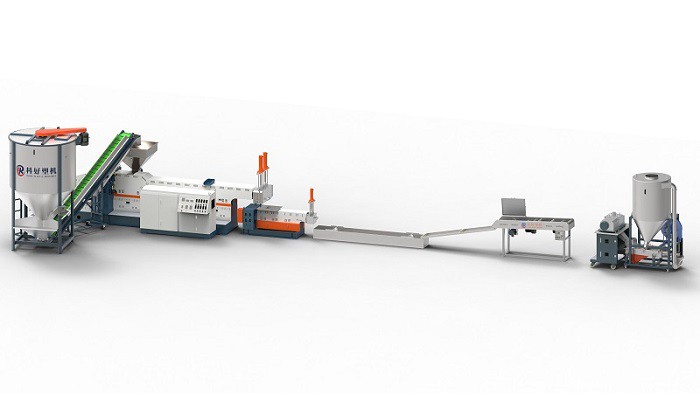
Importance of Proper Training
Proper training for the operators and maintenance personnel is crucial for the correct maintenance of the PS Pelletizing Machine. Operators should be trained to recognize the signs of potential problems during the operation of the machine, such as unusual noises or vibrations.
Maintenance personnel should receive in - depth training on the machine's structure, components, and maintenance procedures. They should be able to perform routine maintenance tasks independently and troubleshoot common problems.
Conclusion
Maintaining a PS Pelletizing Machine properly is a multi - faceted task that requires regular cleaning, lubrication, inspection of electrical components, monitoring of temperature and pressure, and a well - planned preventive maintenance schedule. By following these guidelines, you can ensure the long - term performance and reliability of your machine, which will ultimately lead to higher production efficiency and better - quality PS pellets.
If you are interested in our PS Pelletizing Machines or have any questions about their maintenance, feel free to contact us for further discussion and potential procurement. We are committed to providing high - quality machines and professional after - sales support.
References
- Manufacturer's manual of the PS Pelletizing Machine
- Industry standards and best practices for plastic pelletizing machine maintenance