

How does the cutting system of a PP pelletizing machine work?
Dec 19, 2025
Hey there! If you're in the plastics industry or involved in manufacturing, you've probably heard about PP pelletizing machines. As a supplier of these machines, I get a lot of questions about how they work, especially the cutting system. So, I thought I'd break it down for you in this blog post.

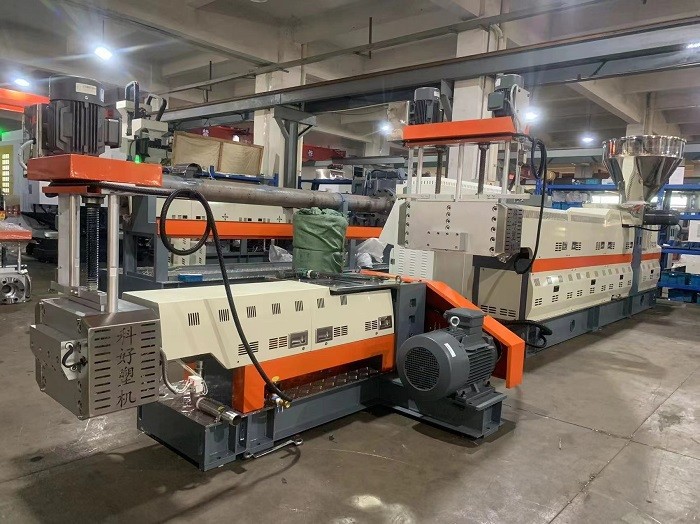
The Basics of a PP Pelletizing Machine
Before we dive into the cutting system, let's briefly go over what a PP pelletizing machine does. Polypropylene (PP) is a widely used thermoplastic polymer, and pelletizing is the process of turning it into small, uniform pellets. These pellets are easier to handle, store, and transport, and they're used in a variety of applications, from packaging and automotive parts to consumer goods.
A typical PP pelletizing machine consists of several components, including a feeder, an extruder, a die head, a cooling system, and of course, the cutting system. The feeder delivers the raw PP material to the extruder, which melts and mixes it. The molten PP is then forced through the die head, which shapes it into strands. The strands are cooled in a water bath or by air, and finally, the cutting system chops them into pellets of the desired length.
How the Cutting System Works
The cutting system is a crucial part of the PP pelletizing machine, as it determines the size and quality of the pellets. There are two main types of cutting systems used in PP pelletizing machines: underwater pelletizing and strand pelletizing.
Underwater Pelletizing
Underwater pelletizing is a high-speed process that's commonly used for producing small, round pellets. Here's how it works:
- Extrusion: The molten PP is extruded through the die head, which has a series of small holes. The strands of PP are immediately cut by a rotating knife blade as they emerge from the die.
- Pellet Formation: The cut pellets are carried away from the die by a flow of water, which also cools them rapidly. The water helps to prevent the pellets from sticking together and ensures that they maintain their shape.
- Separation: The water and pellets are then separated in a centrifuge or other separation device. The dry pellets are collected and can be further processed or packaged.
One of the advantages of underwater pelletizing is that it produces high-quality pellets with a consistent shape and size. The fast cooling process also helps to maintain the physical properties of the PP, such as its strength and flexibility. However, underwater pelletizing requires a more complex and expensive setup, including a water supply, a water treatment system, and a drying system.
Strand Pelletizing
Strand pelletizing is a more traditional process that's often used for producing larger or irregularly shaped pellets. Here's how it works:
- Extrusion: The molten PP is extruded through the die head, which forms it into long strands. The strands are then cooled in a water bath or by air to solidify them.
- Cutting: Once the strands are cooled, they are fed into a pelletizer, which consists of a rotating knife blade and a stationary cutting plate. The knife blade cuts the strands into pellets of the desired length.
- Collection: The pellets are collected and can be further processed or packaged.
Strand pelletizing is a simpler and more cost-effective process than underwater pelletizing, but it may not produce pellets with the same level of quality and consistency. The cooling process can also be more difficult to control, which can result in pellets that are too soft or too hard.
Factors Affecting the Cutting System
There are several factors that can affect the performance of the cutting system in a PP pelletizing machine. Here are some of the most important ones:
Knife Blade Quality
The quality of the knife blade is crucial for achieving clean, precise cuts. A dull or damaged blade can cause the pellets to be unevenly cut, which can affect their quality and appearance. It's important to use high-quality knife blades and to replace them regularly to ensure optimal performance.
Cutting Speed
The cutting speed is another important factor that can affect the quality of the pellets. If the cutting speed is too slow, the pellets may be too long or irregularly shaped. If the cutting speed is too fast, the pellets may be too short or may have a rough surface. It's important to find the right cutting speed for your specific application and to adjust it as needed.
Cooling Rate
The cooling rate of the PP strands can also affect the performance of the cutting system. If the strands are not cooled enough, they may be too soft to cut cleanly, which can result in pellets that are misshapen or stuck together. If the strands are cooled too much, they may become brittle and break during the cutting process. It's important to control the cooling rate to ensure that the strands are at the right temperature for cutting.
Material Properties
The properties of the PP material, such as its viscosity, melting point, and hardness, can also affect the performance of the cutting system. Different types of PP may require different cutting speeds, knife blade materials, and cooling rates. It's important to understand the properties of the material you're using and to adjust the cutting system accordingly.
Our PP Pelletizing Machines
As a supplier of PP pelletizing machines, we offer a range of high-quality machines that are designed to meet the needs of different customers. Our machines are equipped with advanced cutting systems that are designed to produce high-quality pellets with a consistent shape and size.
We also offer a range of other plastic pelletizing machines, including PVC Cable Pelletizing Machine, PS Pelletizing Machine, and ABS Granulator Machine. Our machines are built to last and are backed by our excellent customer service and technical support.
Contact Us for More Information
If you're interested in learning more about our PP pelletizing machines or any of our other plastic pelletizing machines, please don't hesitate to contact us. We'd be happy to answer any questions you may have and to help you find the right machine for your needs. Whether you're a small business or a large corporation, we have the expertise and experience to provide you with the best solutions for your plastic pelletizing needs.
References
- "Plastic Pelletizing Technology" by John Murphy
- "Handbook of Plastic Materials and Technology" edited by Irvin I. Rubin