

What is the granulation energy efficiency of a PA Granulator?
Dec 29, 2025
Granulation energy efficiency is a crucial factor in evaluating the performance of a PA (Polyamide) granulator. As a leading PA granulator supplier, understanding and optimizing this efficiency is not only essential for reducing operational costs but also for promoting sustainable production practices. In this blog, we will delve into what granulation energy efficiency means for a PA granulator and how it impacts the overall production process.
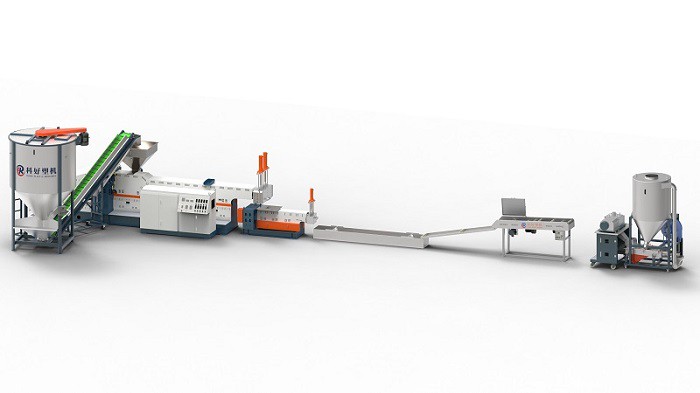
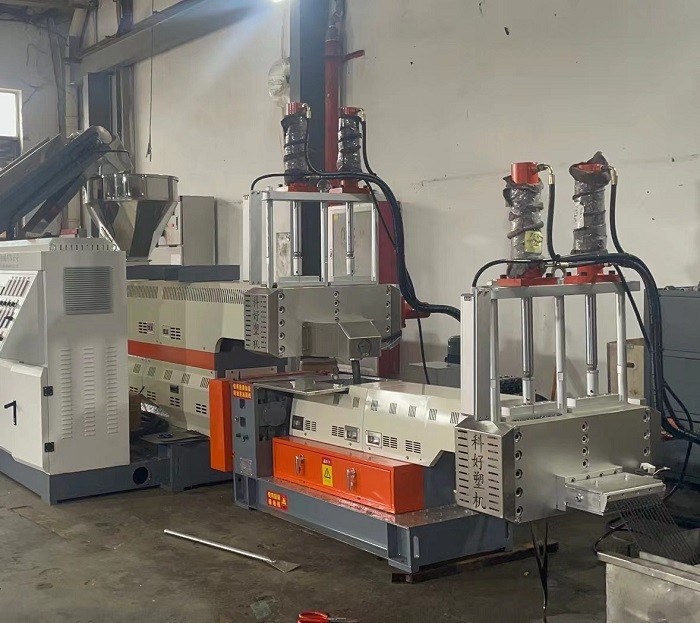
What is Granulation Energy Efficiency?
Granulation energy efficiency refers to the ratio of the useful energy consumed in the granulation process to the total energy input. In the context of a PA granulator, it measures how effectively the machine converts electrical or thermal energy into the mechanical work required to transform raw PA materials into uniform granules. A highly energy - efficient PA granulator minimizes energy waste, reduces production costs, and has a lower environmental impact.
The granulation process involves several energy - consuming steps, including melting the PA resin, mixing additives, and extruding and cutting the material into granules. Each of these steps requires energy, and the overall energy efficiency is affected by the design and operation of the granulator.
Factors Affecting the Granulation Energy Efficiency of a PA Granulator
1. Machine Design
The design of the PA granulator plays a vital role in determining its energy efficiency. Modern PA granulators are equipped with advanced screw designs that ensure efficient melting and mixing of the PA resin. For example, screws with optimized geometries can reduce the energy required for melting by providing better heat transfer and more uniform mixing.
The heating system of the granulator also affects energy efficiency. High - quality heating elements that provide precise temperature control can prevent overheating and reduce energy consumption. Additionally, insulation around the barrel and other heated components can minimize heat loss, further improving energy efficiency.
2. Material Properties
The properties of the PA resin being granulated can significantly impact energy efficiency. Different types of PA have different melting points and viscosities, which affect the energy required for melting and processing. For instance, PA with a high melting point will require more energy to reach the molten state compared to a lower - melting - point PA.
The presence of additives in the PA resin can also affect energy efficiency. Some additives may increase the viscosity of the melt, requiring more energy for mixing and extrusion. On the other hand, certain additives can improve the flow properties of the melt, reducing the energy requirement.
3. Process Conditions
The operating conditions of the PA granulator, such as temperature, screw speed, and feed rate, also influence energy efficiency. A higher screw speed generally results in higher throughput but may also increase energy consumption. Therefore, finding the optimal screw speed is crucial for maximizing energy efficiency.
Similarly, maintaining the correct temperature is essential. Overheating not only wastes energy but can also degrade the PA resin, leading to poor product quality. By carefully controlling the process conditions, operators can achieve a balance between energy consumption and production output.
Measuring Granulation Energy Efficiency
To measure the granulation energy efficiency of a PA granulator, several key performance indicators (KPIs) can be used. One common KPI is the specific energy consumption, which is calculated by dividing the total energy input (in kilowatt - hours) by the mass of granules produced (in kilograms). A lower specific energy consumption indicates higher energy efficiency.
Another important metric is the energy efficiency ratio (EER), which compares the useful energy output (such as the energy used for melting and mixing) to the total energy input. The EER provides a more comprehensive measure of how effectively the granulator is using energy.
Improving Granulation Energy Efficiency
As a PA granulator supplier, we are committed to helping our customers improve the energy efficiency of their granulation processes. Here are some strategies that we recommend:
1. Upgrade to Energy - Efficient Equipment
Investing in the latest PA granulator models can significantly improve energy efficiency. Newer machines are often equipped with advanced technologies, such as variable frequency drives (VFDs), which can adjust the motor speed according to the actual load, reducing energy consumption.
2. Optimize Process Parameters
Working with our technical experts, customers can optimize the process parameters of their granulators. This includes adjusting the temperature, screw speed, and feed rate to achieve the best balance between energy efficiency and product quality.
3. Use Recyclable and energy - friendly Materials
Using recycled PA materials can reduce the energy required for granulation. Recycled PA generally has a lower melting point and can be processed with less energy compared to virgin materials. Additionally, choosing energy - friendly additives can further improve energy efficiency.
Related Granulation Machines and Their Energy Efficiency
In addition to PA granulators, we also offer other types of granulation machines, each with its own energy - efficiency characteristics. For example, our PE Granulation Line is designed to process polyethylene (PE) with high energy efficiency. The advanced screw design and efficient heating system ensure that the PE resin is melted and granulated with minimal energy consumption.
Our PVC Cable Pelletizing Machine is also engineered for energy - efficient operation. It features precise temperature control and a well - designed cutting system, which together contribute to reducing energy waste and improving the quality of PVC cable pellets.
The ABS Granulator Machine is another product in our lineup that offers excellent energy efficiency. With its optimized screw configuration and advanced heating technology, it can granulate acrylonitrile butadiene styrene (ABS) with high throughput and low energy consumption.
Why Choose Us as Your PA Granulator Supplier
As a trusted PA granulator supplier, we have years of experience in the industry. Our granulators are designed and manufactured to the highest standards of quality and energy efficiency. We offer comprehensive technical support to our customers, helping them optimize their granulation processes and achieve maximum energy savings.
Our team of experts is always available to answer your questions and provide customized solutions based on your specific requirements. Whether you are a small - scale manufacturer or a large - scale industrial enterprise, we have the right PA granulator for you.
Contact Us for Purchase and Negotiation
If you are interested in our PA granulators or other granulation machines and want to learn more about their energy efficiency and performance, we encourage you to contact us. Our sales team is ready to provide you with detailed product information, quotes, and technical support. We look forward to working with you to improve your granulation process and achieve your production goals.
References
- Smith, J. (2018). Energy Efficiency in Plastic Granulation Processes. Journal of Plastics Technology, 25(3), 123 - 135.
- Johnson, A. (2019). Optimizing Granulation Energy Consumption. Proceedings of the International Conference on Plastic Processing, pp. 45 - 56.
- Brown, C. (2020). Advances in PA Granulator Design for Energy Efficiency. Plastic Engineering Magazine, 32(2), 78 - 85.